Get a Garage That Works as Hard as You Do
Garage organization is not about making things look pretty; it is about getting your time and space back. When tools pile up, cords knot together, and mystery boxes line every wall, even simple DIY work feels slow and stressful. You waste time hunting for the right bit, buy the same tool twice, and sometimes work in unsafe conditions because you are stepping over clutter.
Fall is a smart time to fix it. The air is cooler, cars and gear are about to move inside for winter, and most of us are gearing up for more indoor projects. If you plan your garage organization right now, your space can be ready for everything from quick repairs to bigger builds.
In this article, we will walk through the most common planning mistakes people make with garage organization and how to avoid them with a more pro-grade mindset. Our goal is simple: help you build a garage that actually works for your DIY life, not just for this weekend.
Stop Planning Only Around Today's Projects
One of the biggest mistakes is planning your garage around a single project. Maybe you are focused on a kitchen remodel, one car build, or a new hobby. You set up your workbench and storage to match that one thing, then a year later your needs change and the layout no longer works.
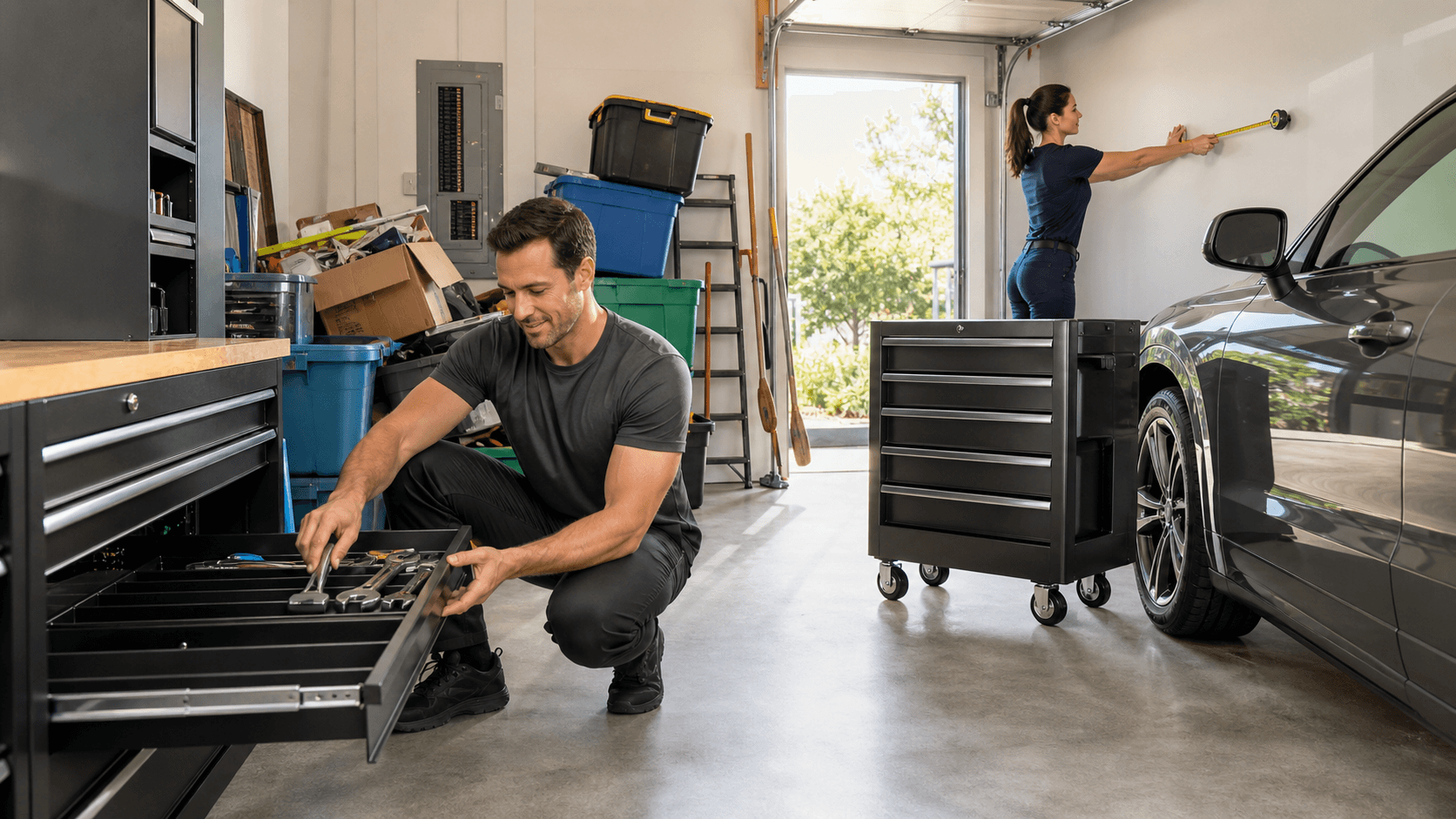
Instead, think about your long-term DIY lifestyle. Before you buy a single cabinet or shelf, sketch out zones on paper:
- Vehicle parking and unloading gear
- Woodworking and general bench work
- Metalwork or welding
- Detailing and wash buckets
- Lawn and garden tools
- Seasonal and sports storage
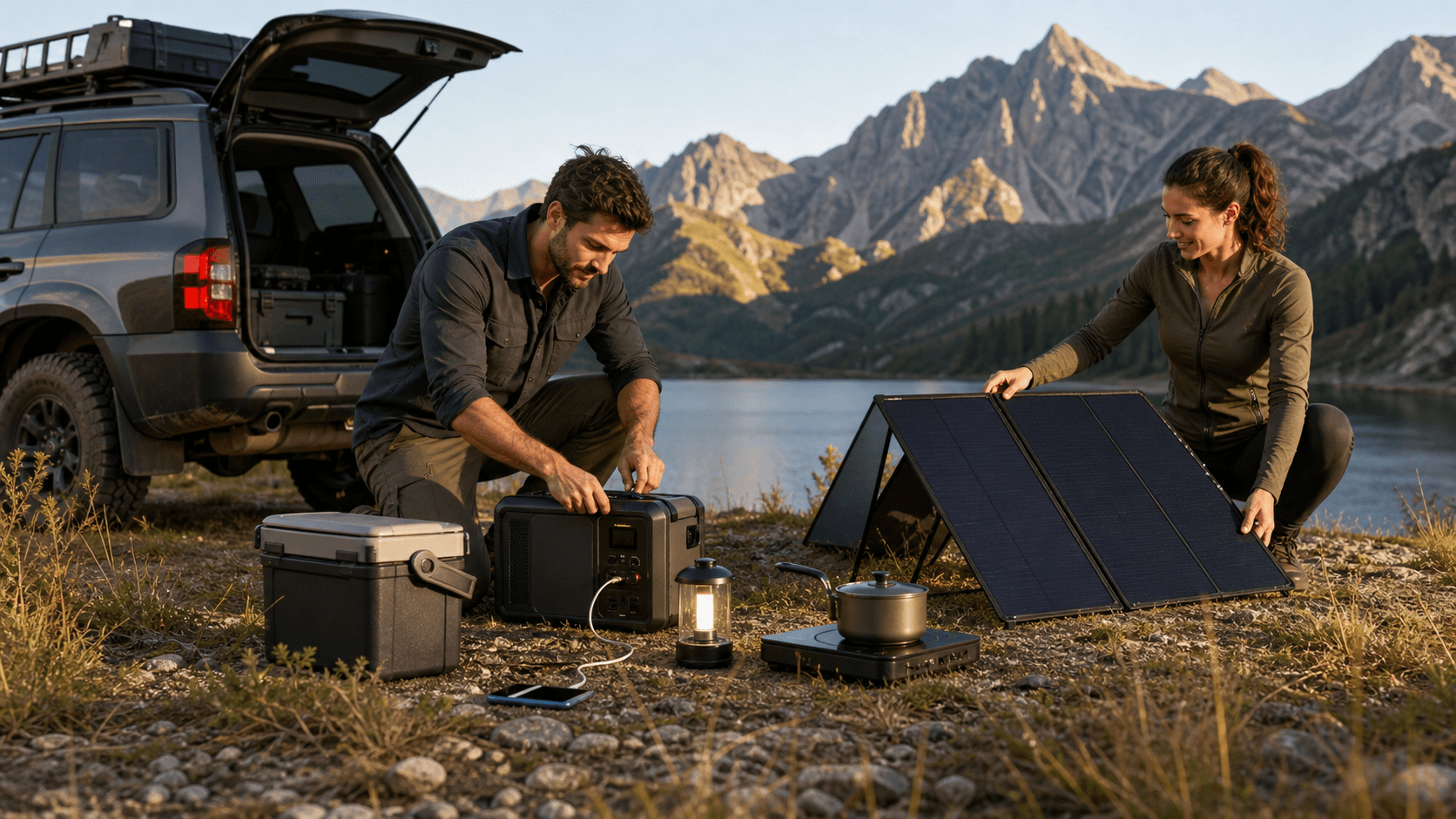
- Off-grid power and backup gear
- Kids toys and bikes
When you see your zones laid out, you start to design for growth instead of just today. Tools multiply. Battery packs, chargers, and portable power units grow as you add cordless gear. Workbenches get crowded with jigs and fixtures.
Planning for that future means choosing:
- Scalable cabinets that can be added in matching sections
- Modular shelving that adjusts for taller or heavier tools
- Wall systems that accept new hooks and attachments
- Off-grid power setups that can expand as your needs change
This way, you are not tearing everything apart again in two years. You are simply adding on to a layout that already fits how you work.
Do Not Underestimate Storage Load and Durability
Another common mistake is grabbing whatever looks nice at the home improvement store and hoping it will hold up. Pretty, light-duty shelves might be fine for paper towels, but many DIY garages carry far heavier loads.
Think about what you actually store:
- Air compressors and shop vacs
- Welders and auto tools
- Stacked toolboxes and parts bins
- Generators, inverters, and battery units
- Fuel cans, oils, and chemicals
For this kind of gear, we always suggest thinking in terms of load rating and duty cycle. Look at:
- Weight per shelf, not just total unit weight
- The quality of wall-mount hardware, brackets, and anchors
- How stable a rack is when tools vibrate or roll in and out
- Whether drawers can handle full sets of sockets and hand tools
Pro-level steel cabinets and heavy-duty overhead racks are not overkill when you are storing serious equipment. Sturdy, anchored storage is a safety choice, especially around fuel, chemicals, and power systems. A sagging shelf is annoying. A collapsing one with heavy tools or power gear is a real risk.
Plan Power, Lighting, and Workflow First
It is easy to get excited about shiny new cabinets and racks, then install them only to realize you blocked the only outlet or cast shadows across your main workbench. Once everything is bolted down, fixing power and lighting becomes a headache.
Plan your power before your layout is locked in. Think about:
- Where you need 120V outlets along benches and walls
- Any 240V outlets you need for welders or larger tools
- Dedicated circuits for compressors and backup power systems
- Safe charging zones for cordless tools and portable power stations
Lighting matters just as much. A bright, even garage feels bigger and makes work more accurate and less tiring. Aim for:
- Task lighting directly above benches and tool walls
- Bright LED fixtures over vehicle bays
- Extra light near the garage door and any entry doors
Then think through workflow. You want clear paths so you are not dragging cords under tires or moving carts every time you roll in a vehicle. Try to keep:
- A clean route from house door to car doors
- Open floor area in front of benches and main tools
- Roll-around items parked where they do not block outlets or cabinets
When power, lighting, and movement come first, the rest of your organization falls into place around them.
Use Your Walls and Ceiling, Not Just Your Floor
Many garages turn into floor-level storage units. Boxes, bins, coolers, and totes line the walls, then creep toward the center. By winter, there is barely room for the car, much less a safe work zone.
The fix is to go vertical. Walls and ceilings are the secret to serious garage organization. Good options include:
- Slatwall panels for flexible hooks and shelves
- Track systems for ladders, hoses, and long tools
- Pegboards for hand tools and small gear
- Ceiling racks for seasonal totes and bulky items
When you mount these correctly into studs or masonry, they carry a lot of weight and keep your floor clear. Just remember:
- Leave space where the garage door and tracks travel
- Keep daily-use tools at shoulder to waist height
- Store bulk and off-season gear higher up, where you do not need constant access
This setup turns your lower wall and floor space into a true workshop instead of a pile zone.
Stop Buying Random Storage and Build a System
The last big mistake is buying storage one piece at a time with no plan. A bin here, a hook there, a shelf when you see a sale. Soon you have five different depths of cabinets, wasted inches between them, and nothing lines up.
A systems mindset changes that. When you think in terms of a complete setup, you want:
- A matching cabinet line with base, tall, and wall units
- Drawer sets sized for hand tools and parts, not just junk drawers
- Wall systems that accept a wide range of hooks, baskets, and shelves
- Power and charging areas that fit your current and future gear
The payoffs are real. A pro-grade, system-based garage:
- Cuts down clutter because everything has a clear home
- Speeds up project setup and cleanup
- Protects your investment in tools, generators, and battery banks
- Feels like a true shop, not a random collection of storage pieces
At Garage Gear Direct, we focus on gear that builds this kind of long-term, pro-level setup, from heavy-duty cabinets and wall systems to backup power solutions that belong in a serious DIY headquarters, at home or off-grid.
When you avoid these planning mistakes and think in zones, durability, power, vertical space, and systems, your garage starts working as hard as you do. Instead of fighting clutter every time you start a project, you walk into a clean, ready workspace where every tool, cord, and power unit has its place, and you can simply get to work.
Transform Your Garage Into Space That Truly Works For You
If you are ready to turn clutter into a clean, efficient workspace, explore our curated garage organization solutions designed to fit the way you live and work. At Garage Gear Direct, we help you choose storage that keeps tools, gear, and supplies easy to find and simple to maintain. Let us know what you are working with and we will recommend options that make the most of every inch. Have questions or need a custom suggestion for your layout? Just contact us and we will walk you through your next steps.